







Tips for Creating a Productive Home Office Environment
Creating a productive home office environment is essential for getting work done efficiently and comfortably. Whether you’re new to working from home or simply looking to improve your current setup, small changes can make a big difference. This guide will walk you through practical tips to design a space that fosters focus, creativity, and well-being.
Why a Good Home Office Matters
Working from home offers flexibility but also comes with distractions. A dedicated workspace helps separate your professional tasks from personal life, making it easier to focus. Plus, an inviting and organized workspace can improve mood and motivation.
—
Choose the Right Location
Start by selecting a spot in your home that supports concentration.
– Quiet space: Find an area with minimal noise and interruptions.
– Natural light: Place your desk near a window if possible to benefit from daylight.
– Privacy: Consider a room or corner where you can close the door or maintain privacy during calls and focused work.
If space is limited, even a small nook or a well-organized corner can work effectively.
—
Invest in Ergonomic Furniture
Comfort is key for long hours at your desk. Ergonomic furniture helps prevent strain and physical discomfort.
– Desk: Choose a desk with enough surface area for your computer, notes, and other essentials.
– Chair: Invest in an adjustable chair with lumbar support to maintain proper posture.
– Keyboard and mouse: Use ergonomic options to reduce wrist strain.
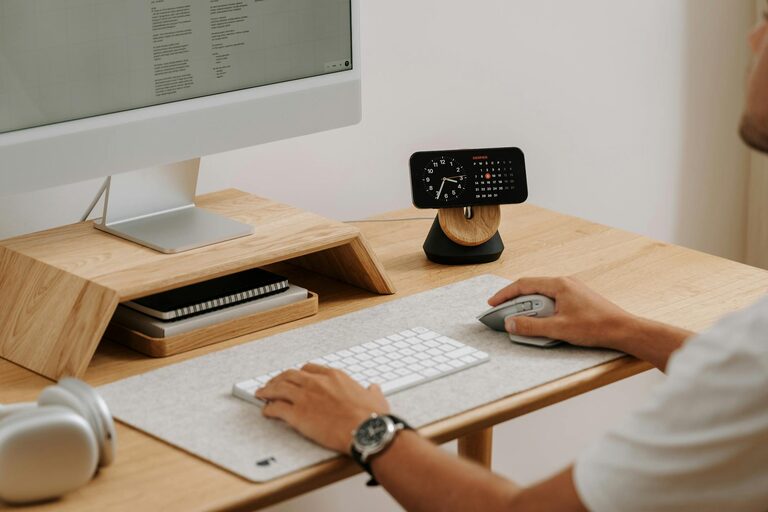
– Monitor height: Position your screen at eye level to avoid neck strain.
Remember to adjust your setup as needed for maximum comfort.
—
Keep Your Space Organized
An organized workspace reduces stress and makes it easier to find what you need quickly.
– Declutter regularly: Remove unnecessary items from your desk and storage.
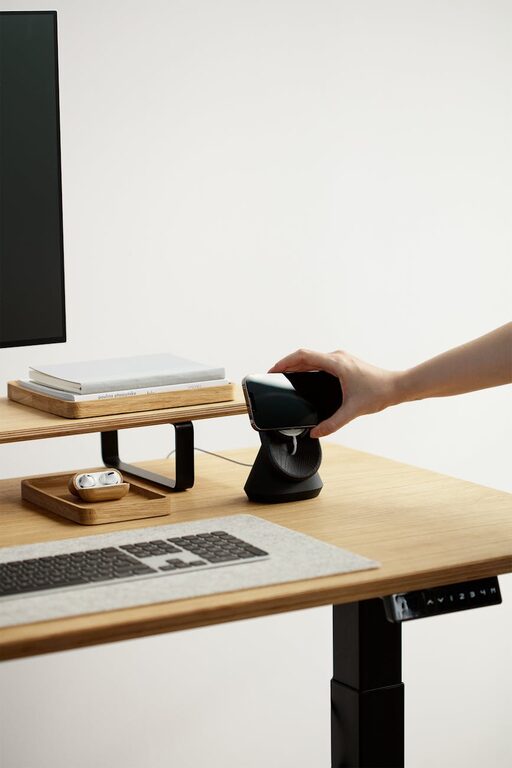
– Storage solutions: Use shelves, drawers, or organizers to keep supplies tidy.
– Cable management: Use clips or ties to keep cords neat and prevent tripping hazards.
Keeping your space clean can help your mind focus better on tasks.
—
Optimize Lighting
Lighting affects both productivity and eye health.
– Use natural light: Whenever possible, take advantage of sunlight.
– Add task lighting: A good desk lamp with adjustable brightness can reduce eye strain.
– Avoid glare: Position screens to minimize reflections and glare from windows or lights.
Adjust lighting throughout the day as needed to stay comfortable.
—
Minimize Distractions
Reducing interruptions helps maintain focus and improves work quality.
– Set boundaries: Let household members know your work hours to minimize disturbances.
– Use noise-canceling headphones: These can help block background noise.
– Limit phone distractions: Mute non-essential notifications during work sessions.
Creating these boundaries supports better concentration.
—
Personalize Your Workspace
Adding personal touches can make your workspace more inviting and motivating.
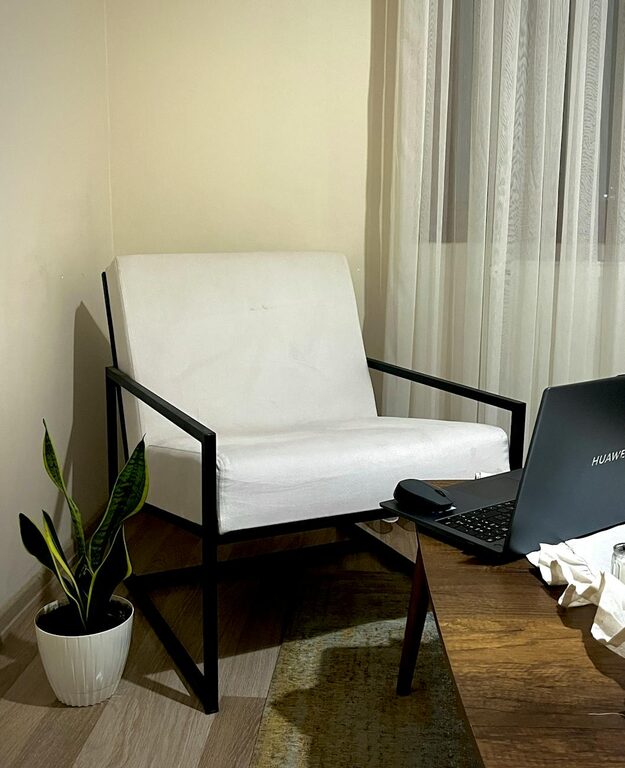
– Decor: Include artwork, plants, or photos that inspire you.
– Color: Use colors that boost your mood and energy—soft blues and greens are often calming.
– Comfort items: Consider a small cushion, cozy throw, or water bottle nearby.
A space that feels welcoming encourages you to spend time there productively.
—
Establish Daily Routines
Having routines can improve time management and mental focus.
– Set regular work hours: Establish when you start and end your day.
– Take breaks: Use techniques like the Pomodoro method to incorporate short breaks.
– Plan your day: List key tasks each morning to stay organized.
Routines help separate work time from relaxation and prevent burnout.
—
Use Technology Wisely
Technology can aid productivity if managed well.
– Organizational tools: Use apps for task management, calendars, and note-taking.
– Reliable internet: Ensure your connection is fast and stable.
– Backup solutions: Regularly save your work to avoid data loss.
Use technology to streamline your work, not complicate it.
—
Stay Active and Healthy
Physical health impacts your ability to focus and stay productive.
– Move regularly: Stand up, stretch, or take short walks during breaks.
– Stay hydrated: Keep water at your desk.
– Indoor plants: Having greenery can improve air quality and reduce stress.
Taking care of your body supports overall work performance.
—
Final Thoughts
Creating a productive home office environment is about balancing comfort, organization, and focus. By thoughtfully designing your space and habits, you can make working from home more enjoyable and efficient. Start with small changes and adjust as you discover what works best for you.
Remember, your ideal home office is a space that supports your unique work style and helps you thrive every day.